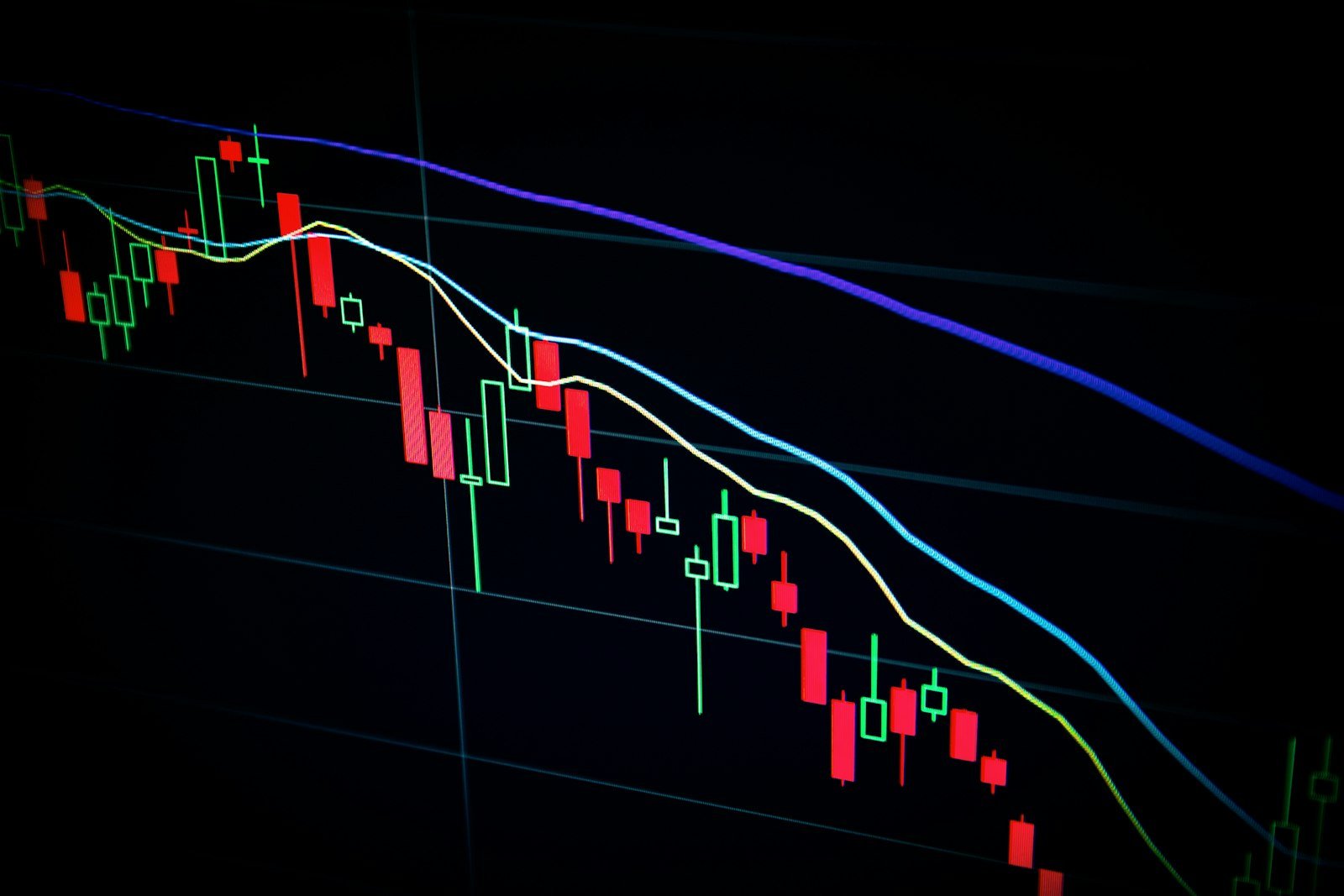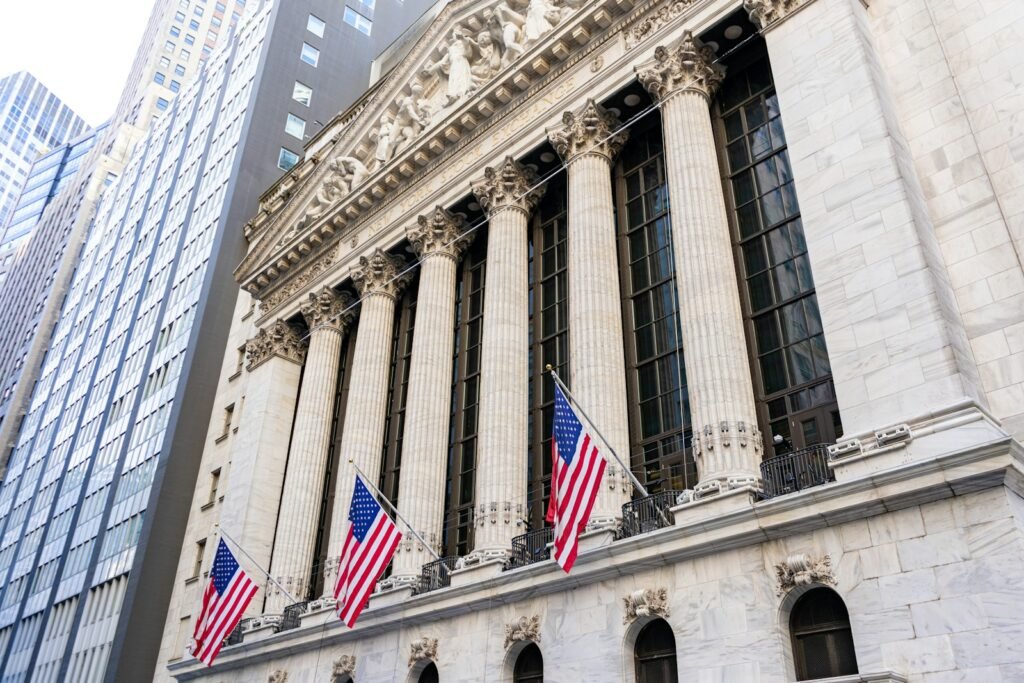
The biggest AI companies are now lining up to sell stock, and that tells you more about where this is headed than any model release.
OpenAI confirmed it has submitted a confidential draft S-1 to the SEC — the first formal step toward a public offering (OpenAI). The company announced the move on June 8, days after rival Anthropic filed and while SpaceX runs its own IPO roadshow (TechCrunch). OpenAI even said it went public with the news because it expected the filing to leak (CBS News).
The numbers are the headline. Reporting around the filing pegs OpenAI’s private valuation at roughly $852 billion, with Goldman Sachs and Morgan Stanley working as underwriters and a possible listing window of September to November 2026 (CNBC). That said, OpenAI was clear that nothing is locked in — they have not decided on timing, and there are things they would rather do as a private company first (Fortune).
I am an operations guy, not a stock picker, so I am not here to tell you whether to buy. I am here to tell you what it means for the tools sitting on your desk.
Why a filing is not a stock
Let me clear up the obvious trap first, because the hype machine will blur it. A confidential S-1 is not an IPO. It is OpenAI buying itself the option to go public, on its own timeline, if the conditions are right (Fortune). There is no ticker to buy today. Anyone telling you how to "get in early on OpenAI" right now is selling something.
What is real is the signal. When OpenAI, Anthropic, and SpaceX all start prepping public-market debuts in the same stretch (TechCrunch), the message is that the people closest to the AI buildout want access to public capital. You can read that two ways, and both are worth holding at once. The optimistic read: these businesses are maturing into real, durable companies. The skeptical read: the private money that has fueled this run wants a bigger, more liquid pool to keep funding the staggering cost of compute.
The part that actually affects you: cost discipline
Here is the thread back to your daily tools. A public OpenAI is a company that has to file real financials and answer to public shareholders every quarter. That changes behavior.
Today the AI tools we use — Claude, Copilot, ChatGPT, the automation platforms riding on top of them — are priced in a land grab. Subscriptions are cheap relative to what the compute behind them costs, because the goal is market share, not margin. Public-market scrutiny pulls hard in the other direction. It rewards profitability and punishes endless cash burn. I have already watched Anthropic move to re-price its programmatic, agentic usage closer to true cost. An IPO-bound OpenAI faces the same pressure, amplified by a stock price.
What does that look like for you? Probably higher floors on the heavy stuff, tighter limits on the all-you-can-eat tiers, and more usage-based metering for anything agentic. Not tomorrow, but on the arc.
What this means if you run a small business
Do not anchor your operation to one vendor’s current pricing as if it were permanent. It is not. The single most useful habit you can build right now is knowing which AI tools actually earn their keep — which ones save you real hours or real dollars — so that when prices move, you can cut the dead weight without flinching. Treat your AI stack like any other subscription you audit quarterly.
And ignore the IPO noise as an investment matter unless you genuinely understand what you would be buying. Your edge as a small operator is not picking the next hot stock. It is using these tools to do more with less while the giants fight over market share.
What this means if you lead enterprise IT
Vendor financial health is now a procurement input, not a footnote. A company heading for the public markets is, in one sense, more stable — more transparency, more capital, more accountability. In another sense, it is a company whose pricing and roadmap will increasingly answer to Wall Street rather than to your renewal conversation. Build contracts and architectures that assume pricing will change. Keep a second model option credible. Negotiate term protection on the usage that matters to you. The leverage you have today, during the land grab, is the cheapest leverage you will ever have.
My take
The filings do not tell me whether AI is overvalued or undervalued — honestly, nobody knows, and anyone who claims certainty is guessing with confidence. What they tell me is that the free-money, grow-at-all-costs phase of AI tooling has a clock on it. The companies building these tools are getting ready to be judged on profit, not just promise.
For those of us who use the tools rather than trade the stocks, that is the whole story. Enjoy the subsidized pricing while it lasts, get genuinely good with the tools now, and do not build anything mission-critical on the assumption that today’s bill is forever. The land grab always ends. Be ready for the part that comes after.
News commentary by Brad Rowland — IT Infrastructure and Operations leader, automation builder, and AI implementer. Sources are linked inline. This is opinion and analysis, not financial advice.